If your heating system is getting old, you’ve probably asked yourself whether to replace it with another furnace or switch to a heat pump. Both can keep a Monroe home warm, and both have real advantages. The right choice depends on your home, your budget, and how you want to balance upfront cost against monthly bills.
This guide compares the two side by side, without the sales pitch, so you can make a decision that fits your home.
How Each System Works
A furnace creates heat. A gas furnace burns natural gas or propane, while an electric furnace uses heating elements, much like a toaster. A blower then pushes that warm air through your ducts. A furnace only heats, so it’s paired with a separate air conditioner for summer.
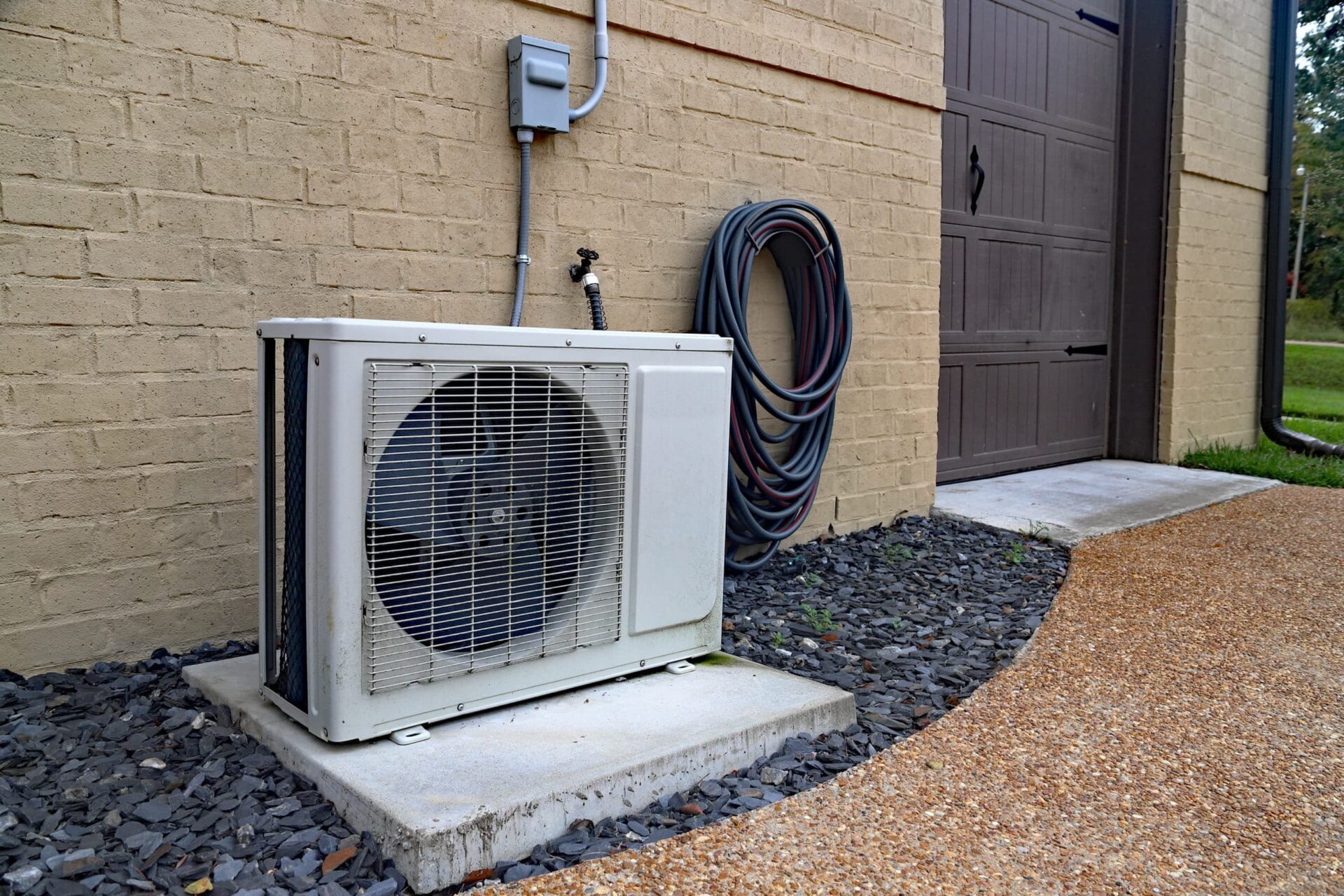
A heat pump moves heat instead of creating it. In winter, it pulls heat from the outdoor air and brings it inside. In summer, it reverses and works like an air conditioner, pulling heat out of your home. One system handles both heating and cooling.
Because moving heat takes less energy than creating it, a heat pump can deliver more heat than the electricity it uses. When it gets very cold outside, there’s less heat in the air to move, so heat pumps rely on backup electric heat strips. You may see this labeled as emergency heat on your thermostat.
Heat Pump vs. Furnace at a Glance
| Heat Pump | Furnace | |
|---|---|---|
| What it does | Heats and cools with one system | Heats only; pairs with a separate AC |
| Energy source | Electricity | Natural gas, propane, or electricity |
| Upfront cost | Usually higher than a furnace alone | Usually lower, but you also need an AC |
| Mild-weather efficiency | Very high | Good to high, depending on the model |
| Performance in hard freezes | Relies more on backup heat strips | Steady, strong heat in any weather |
| Typical lifespan | About 10 to 15 years | About 15 to 20 years |
| Maintenance | Yearly service; runs year-round | Yearly service; runs only in winter |
Cost Comparison: Upfront and Operating
Upfront cost. A heat pump usually costs more to install than a furnace on its own. But a heat pump replaces two systems. If your air conditioner is also near the end of its life, compare a heat pump against the combined price of a new furnace and a new AC, not just the furnace.
Operating cost. In mild weather, heat pumps are very efficient and often cost less to run than an electric furnace. Compared to a gas furnace, the answer depends on local gas and electricity rates and how cold your winter gets. On the few nights each year when a heat pump leans on its backup heat strips, it costs more to run.
For a full breakdown of what each option costs in Monroe, see our guide to furnace and heat pump replacement costs.
Efficiency in Louisiana’s Climate
Monroe winters are short and mostly mild. Many nights stay in the 30s and 40s, with occasional hard freezes. That’s good news for heat pumps, which work best when temperatures stay above freezing most of the time.
Our summers matter, too. A heat pump runs as your air conditioner for much of the year, so its cooling efficiency affects your bills from spring through fall. A furnace sits idle all summer, while your separate AC does the work.
When comparing systems, look at these ratings:
- SEER2 measures cooling efficiency for heat pumps and air conditioners. Higher is better.
- HSPF2 measures a heat pump’s heating efficiency. Higher is better.
- AFUE measures how much of a gas furnace’s fuel turns into heat. A 95% AFUE furnace turns 95 cents of every fuel dollar into heat.
What About Dual Fuel?
You don’t always have to choose. A dual-fuel system pairs a heat pump with a gas furnace. The heat pump handles heating on mild days, and the furnace takes over automatically when temperatures drop below a set point.
Dual fuel can give you the efficiency of a heat pump with the steady heat of a gas furnace during cold snaps. It does require a gas line and costs more upfront than either system alone, so it makes the most sense for homes that already have gas service.
Which Is Right for Your Home?
A heat pump may be the better fit if:
- Your home is all-electric with no gas line
- Your air conditioner also needs replacement
- You want one system for year-round comfort
- Lower operating costs in mild weather matter most to you
A furnace may be the better fit if:
- Your home already has natural gas service
- Your air conditioner is newer and has years of life left
- You want strong, steady heat on the coldest nights
- You’d rather keep the upfront cost lower
The best answer comes from looking at your actual home. Insulation, ductwork, square footage, and your current equipment all affect which system will perform best. A proper load calculation during an in-home estimate makes sure whatever you choose is sized correctly. Our heat pump installation guide explains what a professional install should look like from start to finish.
Keep Either System Running Its Best
Whichever you choose, yearly maintenance protects your investment. Heat pumps run year-round, so they benefit from service twice a year, once before summer and once before winter. Furnaces need a fall heater tune-up to check burners, safety controls, and airflow before the cold arrives.
Not Sure Which System Fits Your Home?
Southern Air has helped Monroe families choose and install heating systems since 1984. Our technicians will look at your home, explain your options with upfront pricing, and recommend the system that makes sense for you. Explore our heat pump services and heating installation options, and ask about financing with approved credit.
Not sure which system fits your home? Call (318) 310-1628 for a free consultation.