
If some rooms in your home are always too hot while others are comfortable, or if you are tired of running the AC full blast just to keep one or two rooms livable, an HVAC zoning system may be the answer. Zoning lets different areas of your home reach and maintain different temperatures independently, using a single heating and cooling system.
This guide explains what an HVAC zoning system is, how it works, what it costs, and whether it is the right solution for your home in Monroe.
What Is an HVAC Zoning System?
An HVAC zoning system divides your home into separate temperature control zones, each managed by its own thermostat. Instead of your entire house being treated as one space, the system can direct conditioned air only to the zones that need it based on what each thermostat is calling for.
For example, you might keep the upstairs bedrooms at 72 degrees while the main living area runs at 74, and the rarely-used guest room is allowed to float without active conditioning until someone is staying there. The HVAC equipment is shared, but the distribution of conditioned air is controlled independently by zone.
How Does a Ducted HVAC Zoning System Work?
A ducted zoning system uses three main components working together:
Motorized Dampers
Dampers are devices installed inside your ductwork at key branch points. They work like adjustable valves. When a zone calls for conditioning, the damper in that zone’s supply duct opens. When the zone has reached its set temperature, the damper closes, blocking airflow to that area.
Dampers are typically made of metal and controlled by small electric motors. They open and close automatically based on signals from the zone control panel.
Zone Thermostats
Each zone in the system has its own thermostat. These thermostats communicate with the zone control panel to report current temperature and send heating or cooling calls. Modern zone thermostats are often programmable or smart, allowing schedules to be set by zone so the system runs only when and where it is needed.
Zone Control Panel
The zone control panel is the brain of the system. It receives signals from all zone thermostats, coordinates which dampers open and close, and communicates with the main HVAC equipment about when to run and at what capacity.
A properly designed zoning system includes a bypass duct or a variable-speed air handler to manage static pressure when some zones are closed. Without a way to handle the pressure buildup that occurs when dampers close, excess air pressure can damage ductwork and strain the equipment.
Zoning With Ductless Mini Splits
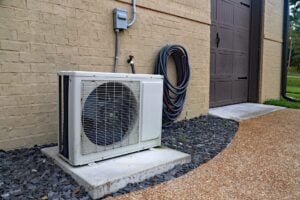
Zoning does not require a ducted system at all. Ductless mini splits provide inherent zone control through their design. Each indoor head conditions one zone and operates independently, so you can cool the bedroom at 70, leave the living room at 74, and turn off the guest room entirely without any dampers or zone panels.
For homes without existing ductwork, or for specific problem zones in a home that already has central air, a ductless AC system is often the more practical and less expensive path to zone control compared to retrofitting dampers and a zone panel into existing ducts.
Variable-speed ductless units are also excellent at humidity control, which matters in Monroe’s climate. Because they run at lower output levels for longer periods, they remove more moisture from the air than a system that cycles aggressively on and off.
What Problems Does Zoning Solve?
Zoning addresses some of the most common comfort complaints in residential homes:
Temperature differences between floors. Heat rises, which means upper floors in two-story homes are almost always warmer than lower floors when using a single thermostat. Zoning the upstairs and downstairs separately allows each level to reach and maintain the right temperature without overcooling one to satisfy the other.
Sun-exposed rooms that overheat. Rooms with large south or west-facing windows gain significant heat during afternoon hours. A zone thermostat in that room can call for cooling independently rather than waiting for the main thermostat to trigger the system.
Rooms that are rarely occupied. Conditioning unoccupied bedrooms, guest rooms, or bonus spaces to the same level as the rest of the house wastes energy. Zoning lets you reduce conditioning in those areas when they are not in use.
Disagreements over temperature. If household members have different comfort preferences and they spend most of their time in different areas, zoning gives everyone individual control over their space.
Home additions or converted spaces. When a room was added to a home, it was often not included in the original duct design and receives inadequate airflow. Zoning, or a separate ductless mini split for that space, addresses the problem without major duct modifications.
Is HVAC Zoning Worth the Cost?
The cost of adding a ducted zoning system to an existing home depends on the number of zones, the complexity of your ductwork, and whether a bypass duct or variable-speed equipment is needed. A two-zone system typically runs between $2,000 and $4,500 installed. Larger systems with four or more zones can cost $5,000 or more.
Ductless zone control through mini splits has a similar range per zone for equipment and installation but avoids the ductwork modification costs entirely.
Whether zoning pays for itself depends on your situation:
- If you are already conditioning rooms nobody uses for hours at a time every day, the energy savings can be meaningful over time
- If your comfort complaints are severe (one floor significantly hotter than another, a room that is unusable in summer), the quality-of-life improvement alone may justify the investment
- If your home is small or has good airflow throughout, zoning may not provide enough benefit to be worth the cost
The best way to evaluate it is to have a technician assess your home and your duct system before making a decision.
Zoning and Your Existing Equipment
Not all HVAC equipment works equally well with zoning. Single-stage systems run at one fixed output level, which means when only one or two zones are calling for cooling, the equipment puts out the same amount of air as when all zones are calling. This creates pressure imbalances and can reduce efficiency.
Variable-speed or two-stage systems work much better with zoning because they can reduce output when fewer zones are active, maintaining proper airflow and pressure throughout the system. If your current system is a single-stage unit and you are considering adding zoning, it is worth asking whether a system upgrade alongside the zoning project makes sense.
If your system is aging and you are already thinking about heating installation or a new AC installation, adding zoning at the time of replacement is usually less expensive than retrofitting it later.
Maintaining a Zoning System
Like any HVAC component, dampers and zone control panels require periodic maintenance. Damper motors can wear out, control boards can fail, and wiring connections can loosen over time. Signs of a zoning system problem include zones that are not responding to thermostat calls, dampers that are stuck open or closed, or pressure noises in the ductwork.
Annual AC tune-ups and heating tune-ups are the right time to have damper operation and zone board function checked. Our Shield of Protection maintenance plan covers these inspections along with priority scheduling and 20% off any service calls.
Regular duct cleaning is also important in a zoned system. Dust and debris accumulate in branch ducts that are frequently closed, and that buildup can reduce airflow efficiency throughout the system over time.
Ready to Talk About Zoning for Your Monroe Home?
Southern Air has been serving Monroe since 1984. Whether you are interested in adding zone control to your existing system, considering a ductless solution for problem areas, or replacing aging equipment with a setup designed for multi-zone control from the start, our team will evaluate your home and give you honest recommendations.
Call us at (318) 310-1628 or schedule online to get started.