If you have a heat pump, you have probably noticed a setting on your thermostat labeled EM Heat, Em. Ht., or Emergency Heat. Maybe you have wondered what it does. Maybe someone told you to turn it on when it gets really cold outside. Maybe you accidentally hit it once and panicked.
Here is a clear, honest answer: emergency heat is a backup system that keeps your home warm when your heat pump cannot run. Understanding when to use it and, just as importantly, when not to use it can save you a significant amount of money every winter.
What Is EM Heat?
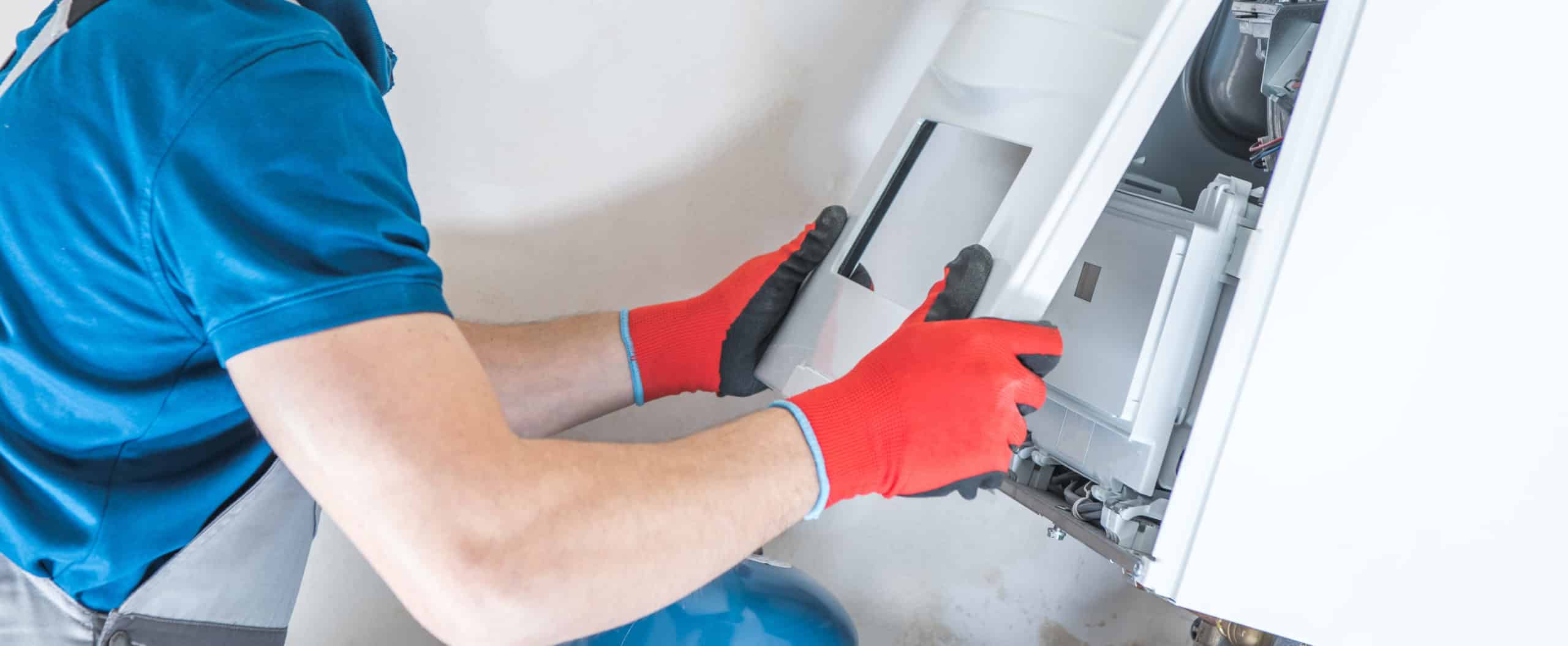
EM heat stands for emergency heat. It is a backup heating mode built into most heat pump systems. When you activate it, the thermostat shuts down the outdoor heat pump entirely and heats your home using only a secondary heating source, typically electric resistance heating strips inside your air handler.
Think of it this way: your heat pump is the primary heating system. The emergency heat backup is the spare. The spare is there for true emergencies. You would not drive on a spare tire every day.
How a Heat Pump Normally Heats Your Home
To understand EM heat, you need to understand how your heat pump works in winter.
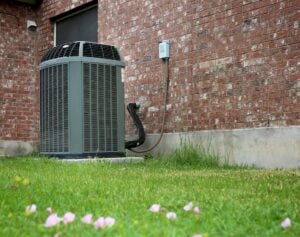
A heat pump does not generate heat the way a furnace does. Instead, it moves heat from the outdoor air into your home using refrigerant. Even in cold weather, there is heat energy present in outdoor air, and your heat pump is designed to extract it.
This process is highly efficient. At 40 degrees outside, a well-maintained heat pump delivers two to three times more heating energy per dollar of electricity than electric resistance heat does. Even at temperatures near freezing, a modern heat pump is significantly more efficient than running EM heat.
When outdoor temperatures drop low enough that the heat pump needs a little extra help, your system automatically engages its auxiliary heat (also called aux heat). This is different from EM heat. Auxiliary heat works alongside the heat pump, both running together to meet your heating demand. You may see an AUX light on your thermostat during cold snaps. That is normal, expected operation.
EM Heat vs. Auxiliary Heat: What Is the Difference?
This is the question that trips up a lot of homeowners, and it is an important distinction.
Auxiliary heat is automatic. Your thermostat activates it alongside the heat pump when outdoor temperatures drop below the system’s balance point, usually around 30 to 35 degrees. The heat pump keeps running. The aux strips add supplemental warmth. Together they keep your home comfortable. This is efficient, normal operation.
Emergency heat is manual. When you flip the thermostat to EM heat, the thermostat shuts off the outdoor heat pump completely and heats the home using only the backup electric strips. The heat pump is out of the picture entirely.
| Auxiliary Heat | Emergency Heat | |
| How it activates | Automatically | You manually turn it on |
| Heat pump running? | Yes, alongside aux heat | No, heat pump is shut off |
| Energy efficiency | Good | Poor (2 to 3 times more expensive) |
| When appropriate | Automatically during cold snaps | Only when heat pump fails or is damaged |
The key takeaway: you should almost never need to manually turn on EM heat. Your system manages auxiliary heat automatically. EM heat is for genuine emergencies only.
When Should You Actually Use EM Heat?
The only time to manually activate EM heat is when your heat pump is not working and you need heat in your home while waiting for a repair.
Specific situations where EM heat is appropriate:
Your heat pump has stopped working entirely. If the outdoor unit is not running at all and your home is getting cold, switch to EM heat to stay warm while you schedule a service call.
Your outdoor unit is visibly damaged. Storm debris, ice that will not clear, physical damage from a fallen branch or flooding. If the outdoor unit cannot run safely, EM heat keeps you warm until a technician can assess the situation.
You have confirmed a mechanical failure and a technician is coming. Once you know the heat pump needs repair and help is on the way, EM heat is the appropriate bridge.
That is it. Those are the situations. EM heat is called emergency heat for a reason. It is not a cold-weather preference setting or an upgrade for extra warmth.
When NOT to Use EM Heat
This is where a lot of well-meaning homeowners make an expensive mistake.
Do not use EM heat just because it is cold outside. Your heat pump is designed to operate efficiently in cold weather. Modern heat pumps work well below freezing. Even during a Monroe cold snap, your heat pump is far more efficient than running on electric strips alone. Using EM heat unnecessarily during cold weather can double or triple your heating bill overnight.
Do not use EM heat to heat your home faster. Switching to EM heat does not deliver more heat than your system would provide normally. It simply shuts off the efficient heat pump and replaces it with an expensive backup. Your home will not warm up faster, but your electric bill will go up significantly.
Do not use EM heat if you just feel chilly. If your home feels cold, check your thermostat setting first. If the heat pump is running normally and the house just needs more time, give it time. Raise the thermostat by one or two degrees if needed.
How Much Does EM Heat Cost to Run?
This is why the “use EM heat when it’s cold” advice is so damaging financially.
Electric resistance heating, the kind your EM heat backup uses, converts electricity to heat at a 1:1 ratio. Your heat pump moves heat at a ratio of 2:1 to 4:1, meaning it delivers two to four times as much heat per dollar of electricity spent.
Running EM heat instead of your heat pump for an entire Monroe winter would cost two to three times more in electricity for the same level of warmth. Even running it for a week unnecessarily can add $100 to $200 or more to your bill depending on your home’s size.
The EM heat backup is inexpensive to have and expensive to run. Use it only when you have to.
What to Do If You Think You Need EM Heat
If your home is getting cold and you suspect your heat pump is not working:
Step 1: Check your thermostat. Make sure the mode is set to Heat or Auto, not Emergency Heat. If EM heat is already on and you did not turn it on, something triggered it and the heat pump may need attention.
Step 2: Look at the outdoor unit. Is it running? Is it covered in a solid sheet of ice that has not cleared after several hours? Is there visible damage?
Step 3: Check the filter. A severely clogged filter can reduce airflow enough to cause the system to underperform. A fresh filter sometimes resolves performance issues immediately.
Step 4: Call Southern Air. If the heat pump is not running, is damaged, or is not warming your home adequately, activating EM heat and calling for heating repair service is the right move. Our heating emergency service is available when you need help quickly.
Step 5: Switch back off EM heat as soon as the heat pump is repaired. EM heat should run only as a short-term bridge, not a winter-long solution.
A Note on Monroe’s Winter Weather
Monroe winters are genuine. Northeast Louisiana experiences real cold snaps, occasional sleet, and temperatures that can drop into the teens during a hard freeze. This makes proper heat pump operation and knowing how to use your backup systems important knowledge for every Monroe homeowner.
Your heat pump is designed to handle Monroe’s winters. A well-maintained system with properly programmed backup heat thresholds should handle the vast majority of winter weather without you ever needing to touch the EM heat switch. If you find yourself reaching for it regularly, that is a sign your system needs a professional look.
Annual heating maintenance before winter is the most important thing you can do to keep your heat pump running efficiently and reduce the chance of needing emergency heat in the first place.